

Car Warning Signs in Mooresville, NC: When to Stop Driving and When to Schedule ServiceKey Takeaways
- Some vehicle symptoms require drivers to stop as soon as it is safe to do so.
- Other problems may allow time for a prompt service appointment, but should not be ignored.
- Flashing warning lights, overheating, brake trouble, smoke, and fuel smells can signal urgent concerns.
- Noise, vibration, uneven tire wear, and hard starting often point to developing issues.
- The owner’s manual remains the best reference for vehicle-specific warning lights and service intervals.
Driving around Mooresville, North Carolina can involve interstate commutes, stop-and-go traffic, neighborhood errands, and longer trips around Lake Norman. Those changing conditions can make a small change in braking, steering, engine performance, or tire feel more noticeable. When a concern arises, scheduling auto repairs before the symptom worsens can help drivers make a safer decision about their next trip.
Not every dashboard light or unfamiliar sound means a vehicle is about to break down. Still, cars often provide early clues that a part is about to fail. Paying attention to warning lights, smells, handling changes, leaks, and vibrations helps separate an immediate safety issue from a problem that needs a scheduled inspection.
Why Small Vehicle Symptoms Matter
A mild vibration may indicate a wheel-balance issue, uneven tire wear, or a damaged tire. A faint squeal may come from a belt or brake component. The exact cause cannot be confirmed from a single symptom alone, but waiting until a noise becomes louder or a warning light becomes more severe can make diagnosis more difficult. Record when the issue happens, including vehicle speed, weather, turning, braking, or acceleration.
Lake Norman area drivers also encounter wet pavement, summer heat, construction zones, and occasional potholes. These conditions can expose existing wear in tires, suspension parts, wiper blades, and braking systems. A qualified car mechanic can use those details to narrow down what to inspect first.
Warning Signs That Mean Stop Driving
Some symptoms create an immediate risk of losing control, starting a fire, or causing severe engine damage. Pull over in a safe location, use hazard lights if needed, and avoid continuing the trip when the vehicle does not feel safe to operate.
Red Oil Pressure or Temperature Warning Lights
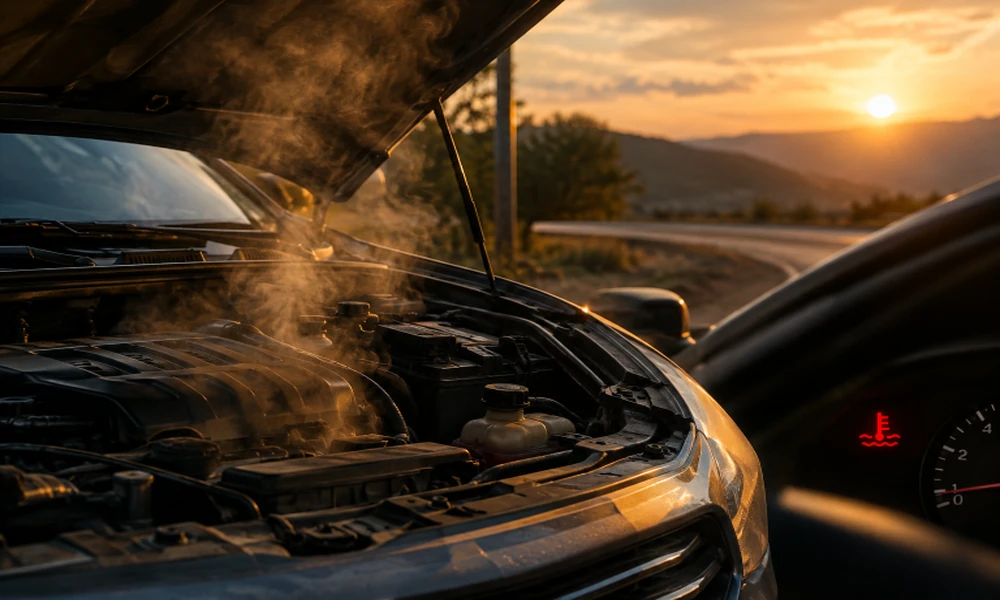
A red oil-pressure light can mean the engine is not receiving adequate lubrication. Continuing to run the engine may damage internal components. Likewise, a temperature warning light, steam from under the hood, or a rising temperature gauge can indicate overheating. Stop safely, turn off the engine, and allow it to cool. Never remove a radiator cap while the engine is hot.
Flashing Check Engine Light
A steady check engine light calls for diagnosis, even when the vehicle seems to run normally. A flashing check engine light is more urgent, especially when paired with shaking, misfiring, reduced power, or an unusual exhaust smell. Avoid driving farther than necessary and arrange an inspection.
Brake Failure Symptoms
A soft or sinking brake pedal, grinding noise, a vehicle that pulls during braking, or noticeably longer stopping distances should be treated seriously. A red brake warning light can also indicate a problem that needs immediate attention. Do not assume a brake concern will improve on its own, particularly before highway driving or a trip with passengers.
Fuel Smells, Smoke, or Active Leaks
A strong gasoline smell may indicate a fuel-system leak. Smoke from the hood or exhaust also warrants stopping, since it can result from an overheated engine, leaking fluid, or electrical problem. Clear water dripping beneath a parked vehicle may be normal air-conditioner condensation, but oily, colored, or strongly scented fluid should be checked.
Problems That Need Service Soon
Unusual Noises and Vibration
Brakes, belts, or other rotating parts can cause squealing. Clunking over bumps can involve suspension or steering components, while clicking during turns may be connected to a drive axle. Vibration at highway speeds may indicate tire damage, wheel balance issues, or alignment issues. Vibration felt mainly during braking can involve the brakes or suspension components. Describe exactly when the noise or vibration occurs.
Uneven Tire Wear or Repeated Low Pressure
Cupping, bald areas, shoulder wear, bulges, and repeated pressure loss deserve prompt attention. Tire pressure should be checked when tires are cold and compared with the number on the driver’s door placard, not the maximum pressure printed on the tire sidewall. The National Highway Traffic Safety Administration recommends checking tire pressure at least once a month, including the spare when applicable.
Hard Starting or Stalling
Slow cranking, repeated starting attempts, dim lights, or stalling can indicate issues with the battery, charging system, fuel delivery, ignition, or electronic controls. A stall in traffic is more than an inconvenience because it can leave the vehicle unable to move safely. Schedule diagnosis promptly, and avoid relying on a vehicle that repeatedly loses power.
Symptoms That Usually Fit Routine Maintenance
Routine maintenance does not always require urgent service, but postponing it can allow normal wear to become a larger problem. Common examples include oil and filter changes, tire rotations, wiper-blade replacement, air-filter inspections, battery testing, and fluid checks performed according to the manufacturer’s schedule. Brake inspections are also useful before worn pads progress to grinding or reduced stopping performance.
How Dashboard Lights Help Set Priorities
- Red lights: Treat these as serious warnings. Stop when safe and consult the owner’s manual.
- Amber or yellow lights: Schedule an inspection soon, particularly if the light remains on.
- Flashing lights: Treat flashing warnings as more urgent than a steady version of the same light.
- Blue, green, or white lights: These often indicate that a feature is operating, though symbols vary by vehicle.
If a light appears unexpectedly, check the vehicle manual before guessing at its meaning. Owners can also use their vehicle identification number to check for open safety recalls, since an unresolved recall may involve a component that affects safe operation.
A Simple Five-Step Response Plan
- Notice the symptom. Write down what changed and when it happened.
- Check for immediate danger. Look for smoke, overheating, fuel odor, poor braking, or loss of steering control.
- Read the warning light. Use the owner’s manual for the correct symbol and recommended action.
- Decide whether to stop or schedule service. When safety is uncertain, do not continue driving.
- Share useful details. Bring photos of leaks, tire damage, or dashboard messages when it is safe to take them.
Final Checklist for Drivers
- Do not ignore a flashing warning light, overheating, or weak brakes.
- Check tires regularly for pressure loss, visible damage, and uneven wear.
- Keep service records and follow the maintenance intervals in the owner’s manual.
- Ask which concerns affect immediate safety and which can be planned for later.
Car problems rarely appear without some clue. A new noise, warning light, odor, vibration, or change in handling deserves attention. The practical approach for Mooresville drivers is to stop when the vehicle may be unsafe, schedule service for developing concerns, and stay current with manufacturer-recommended maintenance.