

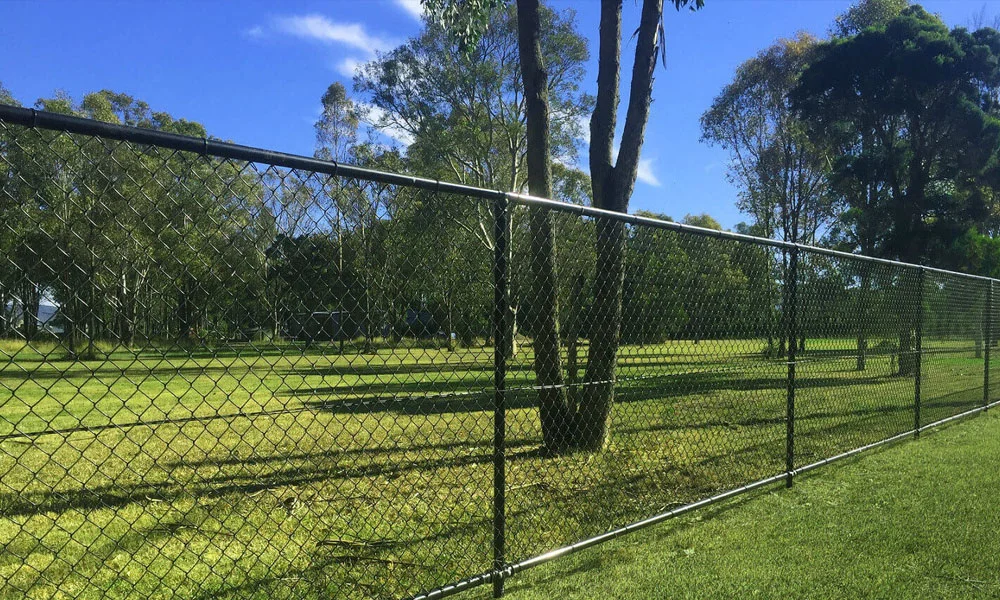
Installing a new fence might seem straightforward – measure, dig, set posts, attach panels – but in reality, there’s a lot that can go wrong. From boundary disputes to structural failures, small missteps during installation can turn into expensive headaches down the track.
Whether you’re planning a DIY project or considering working with professionals like Be Fenced, understanding the most common fence installation mistakes can save you time, money and frustration. Here’s what to watch out for.
Not Confirming Property Boundaries
One of the biggest and most costly mistakes is installing a fence in the wrong location. Even being a few centimetres over your boundary line can create disputes with neighbours and potentially require removal and reinstallation. Before starting any fence installation:
- Check your property survey documents
- Confirm boundary lines with council if needed
- Communicate clearly with neighbours
In some cases, hiring a licensed surveyor is the safest option – particularly for high-value properties or shared fencing.
Ignoring Local Council Regulations
Fence height, materials and placement are often regulated by local councils in Australia – failing to comply can result in fines or mandatory changes. Common oversights include:
- Installing front fences that exceed height limits
- Using non-compliant materials in specific zones
- Failing to obtain approval for retaining or pool fencing
Always check council requirements before purchasing materials (it’s far easier to plan correctly than to modify a completed fence!).
Choosing the Wrong Materials for the Environment
Australia’s climate varies dramatically, and your fence needs to withstand local conditions. Common material mistakes include:
- Timber in high-moisture areas without proper treatment
- Standard steel in coastal environments (leading to corrosion)
- Lightweight fencing in high-wind zones
For coastal regions, galvanised or powder-coated steel is often a smarter choice. In bushfire-prone areas, non-combustible materials may be required. Selecting materials suited to your environment ensures longevity and reduces maintenance costs.
Incorrect Post Installation
Fence posts are the structural backbone of your fence; if they aren’t installed correctly, the entire fence can lean, warp or collapse. Frequent post-related errors include:
- Not digging deep enough (posts should generally be set at least one-third of their height into the ground)
- Failing to use sufficient concrete
- Not checking alignment and level before the concrete sets
- Ignoring soil type (sandy or reactive soils require special consideration)
Poor post installation is one of the most common reasons fences fail prematurely.
Inadequate Drainage Planning
Water is a silent destroyer of fencing – without proper drainage, posts can rot, rust or shift over time. Mistakes often include:
- Installing fences in low-lying areas without drainage allowance
- Allowing soil to sit above the base of timber posts
- Blocking natural water flow with solid fencing
A small drainage adjustment during installation can prevent long-term structural damage.
Rushing the Planning Stage
Fence installation isn’t just about digging holes and attaching panels. Proper planning affects aesthetics, functionality and durability. Key planning considerations:
- What is the primary purpose – privacy, security, aesthetics, pet containment?
- How will gates align with pathways or driveways?
- Will the fence complement the home’s architectural style?
Skipping this stage can result in a fence that technically works – but doesn’t fully meet your needs.
Poor Gate Alignment
Gates are often the first part of a fence to fail when installed incorrectly. Common gate mistakes:
- Posts not reinforced enough to support weight
- Incorrect hinge selection
- Misaligned latching systems
- Not allowing clearance for ground movement
Gates require additional structural support and careful measurement to ensure smooth operation over time.
Overlooking Neighbour Communication
Shared boundary fences can become a source of tension if communication is lacking. Before installation:
- Discuss style and material preferences
- Agree on cost-sharing arrangements
- Clarify timelines
A simple conversation upfront can prevent disputes and strengthen neighbourly relationships.
DIY Without Proper Tools or Expertise
While DIY fence installation can be rewarding, underestimating the skill required often leads to uneven lines, sagging panels and structural instability. Professional installers bring:
In many cases, investing in professional installation can actually save money by preventing costly repairs.
Focusing Only on Initial Cost
Choosing the cheapest option upfront often results in higher long-term costs. Consider material lifespan, maintenance requirements, repair costs and warranty coverage. A quality installation with durable materials may cost more initially, but it offers greater value and peace of mind over time.
Fence installation is more complex than it first appears…
From legal compliance and material selection to structural integrity and drainage, each detail plays a critical role in long-term performance. By avoiding these common mistakes – and seeking experienced guidance where needed – you can ensure your fence is straight, secure and built to last. A well-installed fence doesn’t just define boundaries; it enhances privacy, improves security and adds lasting value to your property.